Simple Toy Storage Rules That Reduce Preschool Play Hazards
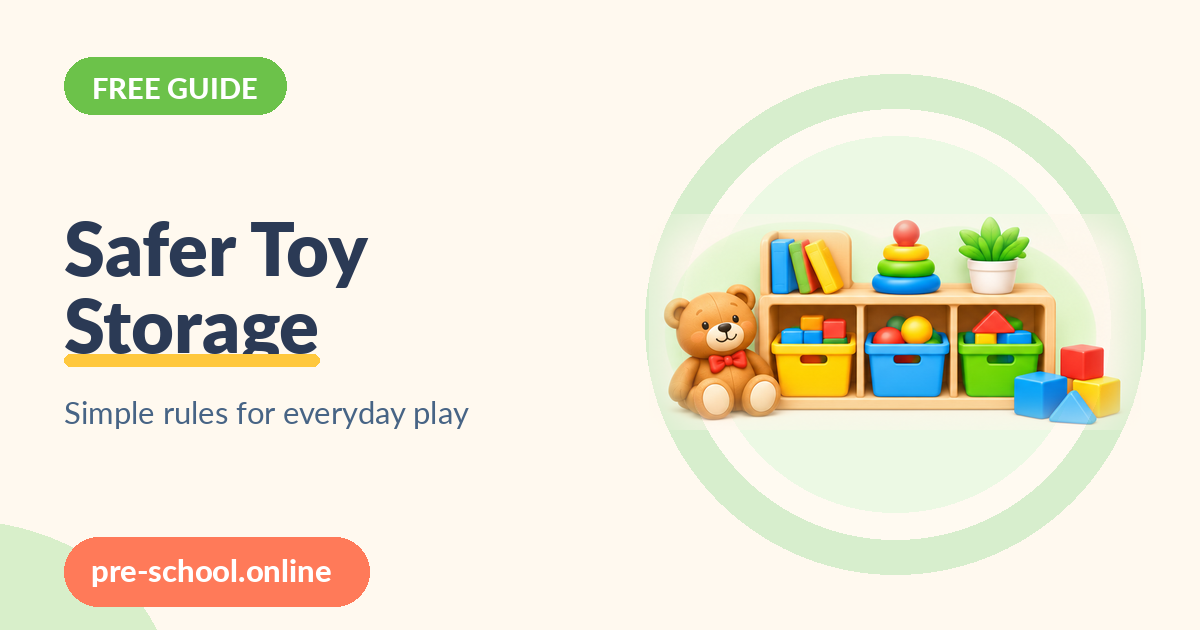
Keep preschool toys safer by using open bins and stable shelves. Learn how to separate small parts and check toy chests, batteries and broken toys.

Choosing safe toys and playing safely.
Keep preschool toys safer by using open bins and stable shelves. Learn how to separate small parts and check toy chests, batteries and broken toys.
Is play dough safe for preschoolers? Know which ingredients and labels matter, why raw-flour dough is risky, and how to supervise and store safely.
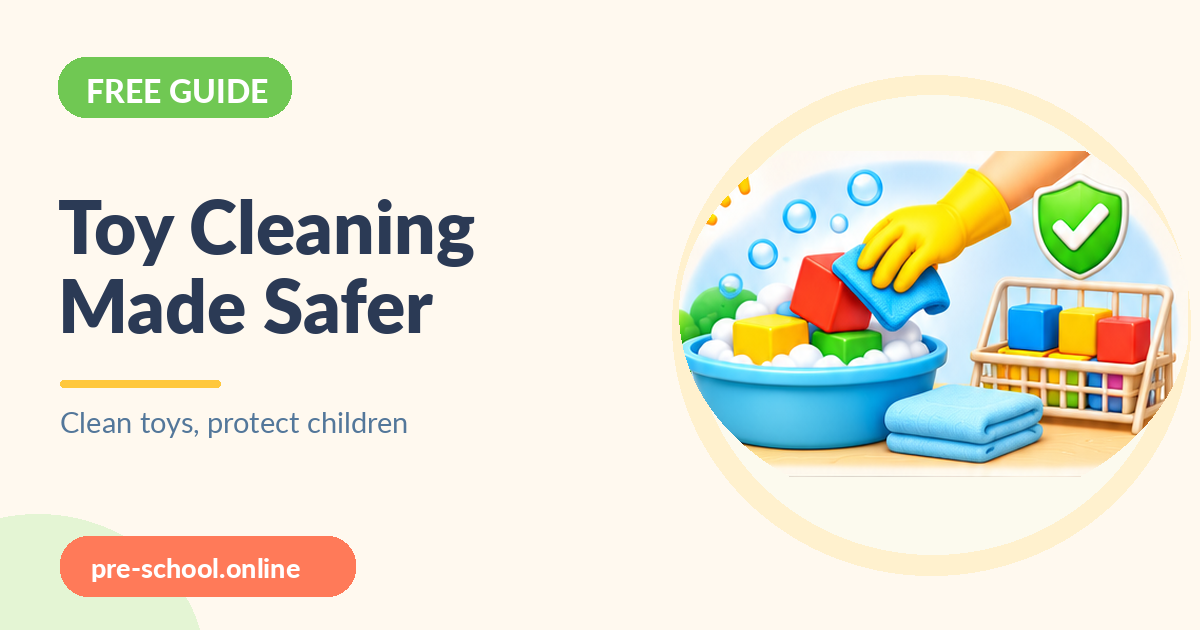
Keep preschool toys clean with easy practical routines for washing, sanitizing and safe storage, while reducing chemical exposure in the classroom.
Check CPSC toy recalls before using secondhand toys. Learn where to find official notices, match model numbers, and follow repair or refund advice.

Choosing a preschool ride-on toy? Compare balance, steering and braking skills, check fit and helmets and match the toy to your child’s confidence.
Make preschool nature play safer with guidance for rocks, leaves, sticks, and insects, plus fun observation games and adult supervision essentials.
Learn how to spot dangerous long toy cords, straps and loops, prevent entanglement in preschool play areas, and choose safer toys and room layouts.

Plan safer loose-parts play with big blocks, fabric and sturdy containers. Avoid magnets, batteries, water beads and choking hazards in activities.

Teach safe cleanup after preschool art and sensory play with routines for sorting supplies, handwashing, checking floors, and adult responsibility.
Keep preschool water play safer with close supervision, safe containers, big tools, and clear cleanup steps. Learn why shallow water still matters.