Safe Pretend Kitchen Play for Preschoolers: Choosing Utensils and Props

Keep pretend kitchen play safe for ages 3 to 5. Choose better utensils, inspect toy food, avoid risky parts, and teach safe, clear, friendly rules.

Keep pretend kitchen play safe for ages 3 to 5. Choose better utensils, inspect toy food, avoid risky parts, and teach safe, clear, friendly rules.

Learn how to check preschool soft toys for loose eyes, worn seams, leaks and cleaning needs, with simple steps for safer everyday cuddles and play.

Is play dough safe for preschoolers? Know which ingredients and labels matter, why raw-flour dough is risky, and how to supervise and store safely.
Check CPSC toy recalls before using secondhand toys. Learn where to find official notices, match model numbers, and follow repair or refund advice.
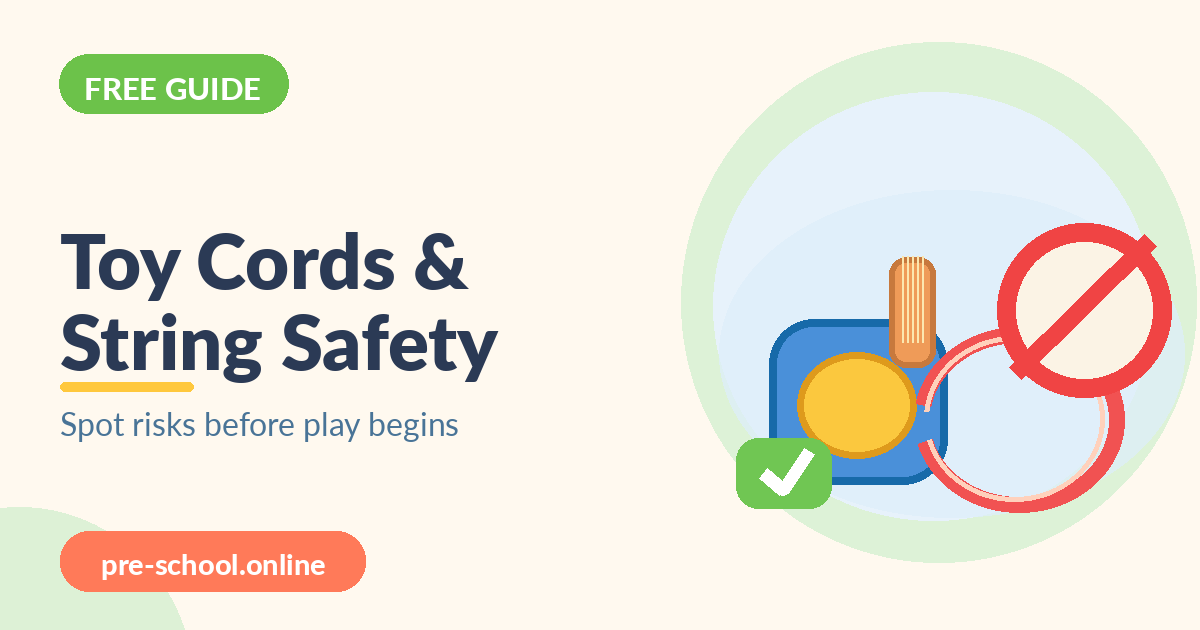
Learn how to spot dangerous long toy cords, straps and loops, prevent entanglement in preschool play areas, and choose safer toys and room layouts.

Plan safer loose-parts play with big blocks, fabric and sturdy containers. Avoid magnets, batteries, water beads and choking hazards in activities.

Find out why toy age labels always matter for preschoolers. Understand choking warnings, younger sibling access and safer ways to offer challenges.